
Uncovering the truth behind common gambling myths and misconceptions
Understanding the Psychology of Gambling
Gambling is often seen through a psychological lens that reveals much about human behavior. Many people participate in gambling due to the thrill and excitement it offers, which can lead to misconceptions about winning and losing. For instance, the idea that luck plays an overwhelming role in gambling can overshadow the reality of strategy and skill in certain games, such as poker. By learning about psychology, you can take steps to understand the process better and embrace a healthy approach to gaming, including visiting https://1xbetregistrationsomalia.com/login/ for resources. Understanding the psychological factors influencing gambling can help debunk these myths and create a more informed perspective.
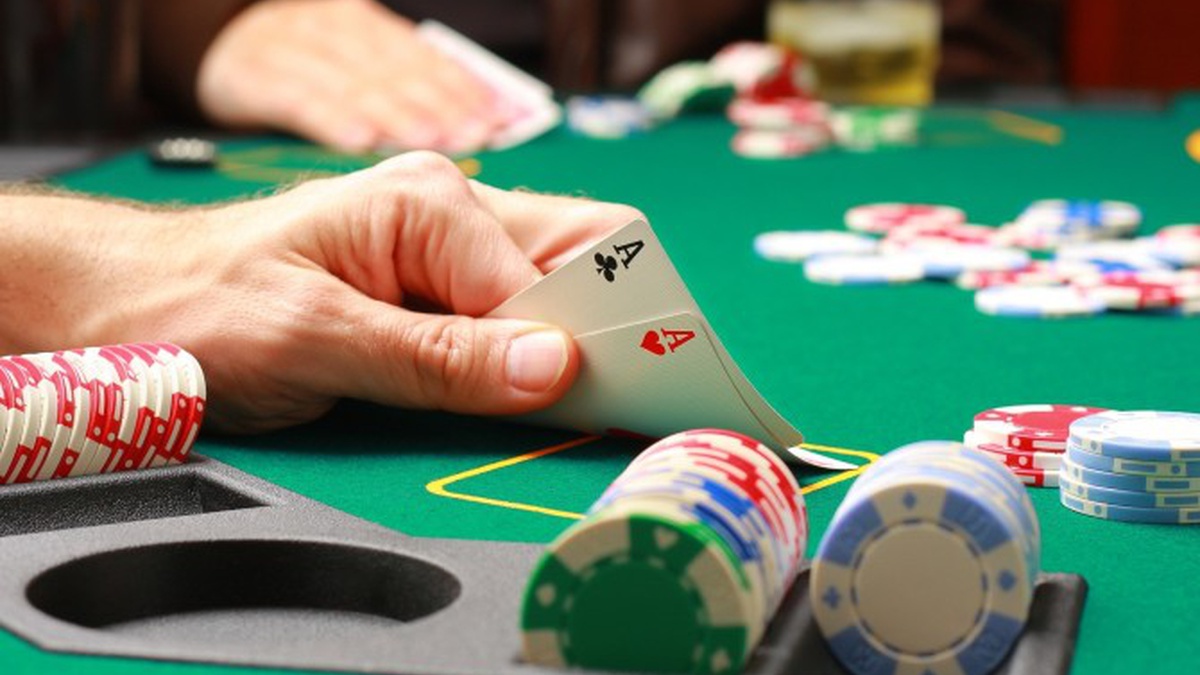
The excitement associated with gambling can trigger emotional responses that may cloud judgment. This is often where misconceptions arise, such as the belief that players can develop systems to guarantee wins. In reality, most gambling games are designed with odds that favor the house, making consistent winning virtually impossible. This understanding emphasizes the importance of approaching gambling as a form of entertainment rather than a reliable means of income.
Moreover, many gamblers fall into the trap of chasing losses, driven by the psychology of regret and the desire to regain what was lost. This behavior can lead to increased financial risks and the perpetuation of myths that success is just around the corner. Recognizing these psychological triggers can help players make more rational decisions while gambling, leading to healthier attitudes and behaviors surrounding the activity.
Debunking the Myth of ‘Hot’ and ‘Cold’ Machines
One of the most common misconceptions in the gambling world is the belief that slot machines can be ‘hot’ or ‘cold’. Players often think that if a machine hasn’t paid out in a while, it is due for a big win, or conversely, that a machine that’s recently paid out will not do so again for a while. This myth can significantly affect a player’s choice of which machines to play. However, modern slot machines operate on Random Number Generators, ensuring that each spin is independent and random.
The randomness of these machines means that there are no patterns to be detected, rendering the ‘hot’ and ‘cold’ machine theory baseless. Players should be aware that their belief in these concepts could lead to poor decision-making. Relying on superstitions rather than understanding the mechanics of how these machines work can result in wasted time and money, which is crucial for responsible gaming.
Moreover, the excitement surrounding the idea of winning on a ‘hot’ machine can lead to higher stakes and riskier behavior. Gamblers may find themselves more inclined to play longer or bet larger amounts, thinking they are in a winning streak when, in fact, they are merely falling prey to cognitive biases. Awareness of these myths can help players approach slot machines with a more rational mindset.
Myth of Skill-Based Games Leading to Guaranteed Wins
Another prevalent myth in gambling is that skill-based games, such as poker or blackjack, ensure guaranteed wins for those with expertise. While skill can certainly improve a player’s odds, it doesn’t eliminate the house edge entirely. Understanding game theory and the statistical probabilities involved can enhance a player’s performance, but there are still no guarantees in gambling. This misconception can create a false sense of security, leading players to take excessive risks in hopes of winning big.
Experienced players often understand the importance of managing bankrolls and setting limits. However, the belief that skill alone will yield consistent success can lead to overconfidence and reckless betting. This misconception ignores the fact that luck still plays a significant role in the outcome of each game, particularly in short-term scenarios. Recognizing this balance can be key to cultivating a more sustainable approach to skill-based gambling.
Moreover, new players may feel intimidated and discouraged by the expertise of seasoned gamblers, leading them to underestimate their chances of winning. This can create an unwelcoming atmosphere, where newcomers feel they lack the skills necessary to compete. By debunking the myth that only skilled players can succeed, it fosters a healthier, more inclusive gambling environment for all participants.
Gambling Addiction and Myths Surrounding It
The narrative surrounding gambling addiction is fraught with myths that can hinder understanding and prevention. Many people erroneously believe that only certain types of gamblers are susceptible to addiction, often overlooking how it can affect anyone. This misconception can lead to stigma and prevent individuals from seeking help when they need it. In reality, gambling addiction is a complex issue influenced by various factors, including psychological predispositions and environmental triggers.
Moreover, some people mistakenly believe that gambling addiction is simply a lack of self-control. While self-regulation plays a role, addiction is often a deeper psychological issue, intertwined with emotional and social factors. This misunderstanding can trivialize the struggles of those affected, creating barriers to effective treatment. Recognizing that gambling addiction requires comprehensive support can pave the way for more compassionate approaches to treatment and recovery.
Ultimately, education plays a crucial role in dispelling these myths. By fostering open conversations about gambling addiction and its realities, we can create a more supportive environment for those who might be struggling. Understanding the multifaceted nature of addiction can empower individuals and communities to seek appropriate resources and intervention strategies.

Responsible Gambling and Resources Available
Responsible gambling is a critical aspect of enjoying gambling as a form of entertainment while minimizing risks. Many online platforms, including those guided by the Curaçao eGaming License, emphasize the importance of responsible gaming practices. They offer tools for players to set limits on their spending and gaming time, which can help mitigate the risk of developing problematic behaviors. However, misconceptions around gambling often lead individuals to neglect these resources, thinking they are not at risk.
Another important aspect of responsible gambling is the availability of support systems. Various organizations provide resources for individuals experiencing gambling-related issues, yet many people remain unaware of these options. Knowledge of support groups and counseling services is essential for fostering a culture of accountability and awareness. Publicizing these resources can empower individuals to make informed choices and seek help if needed.
Ultimately, understanding the nuances of responsible gambling can significantly alter how individuals engage with gambling activities. By prioritizing education and awareness, we can create a more informed community that enjoys gaming responsibly while recognizing the risks involved. Emphasizing this aspect not only benefits individuals but also enhances the overall integrity of the gambling industry.